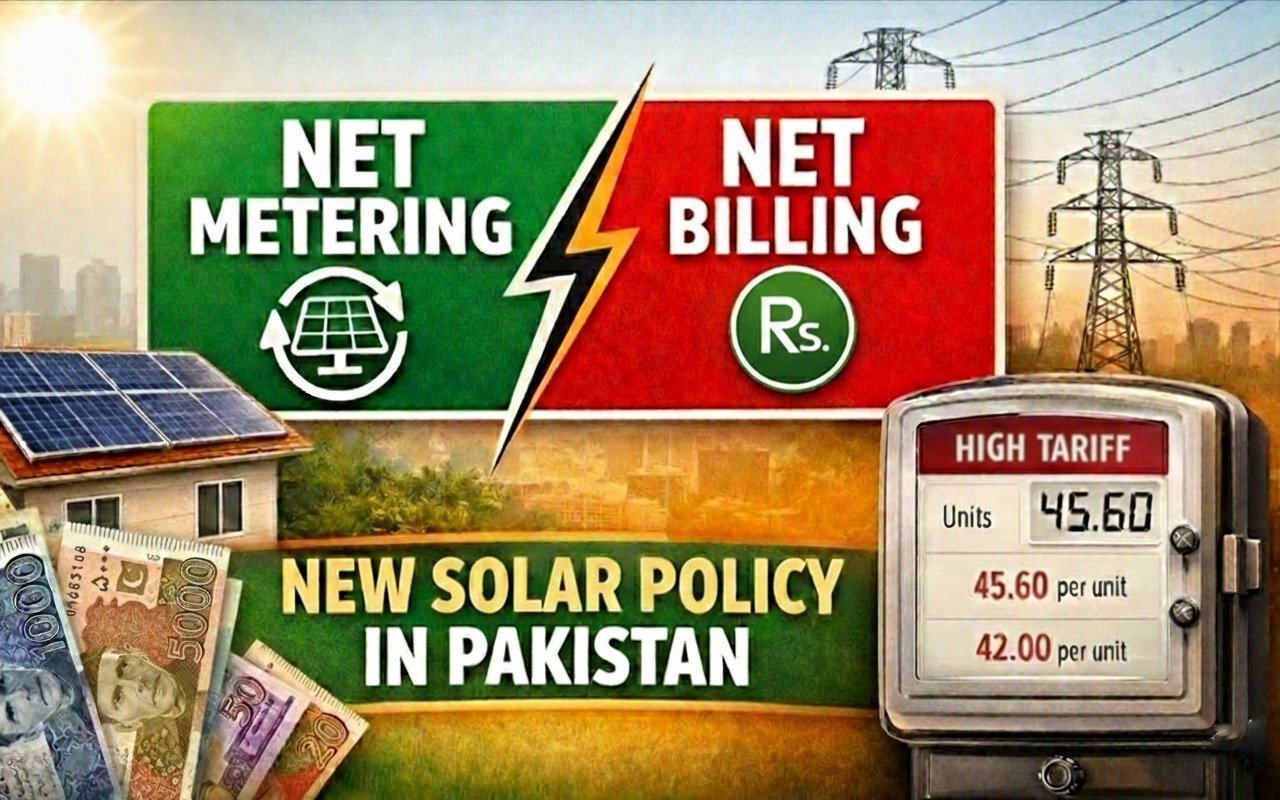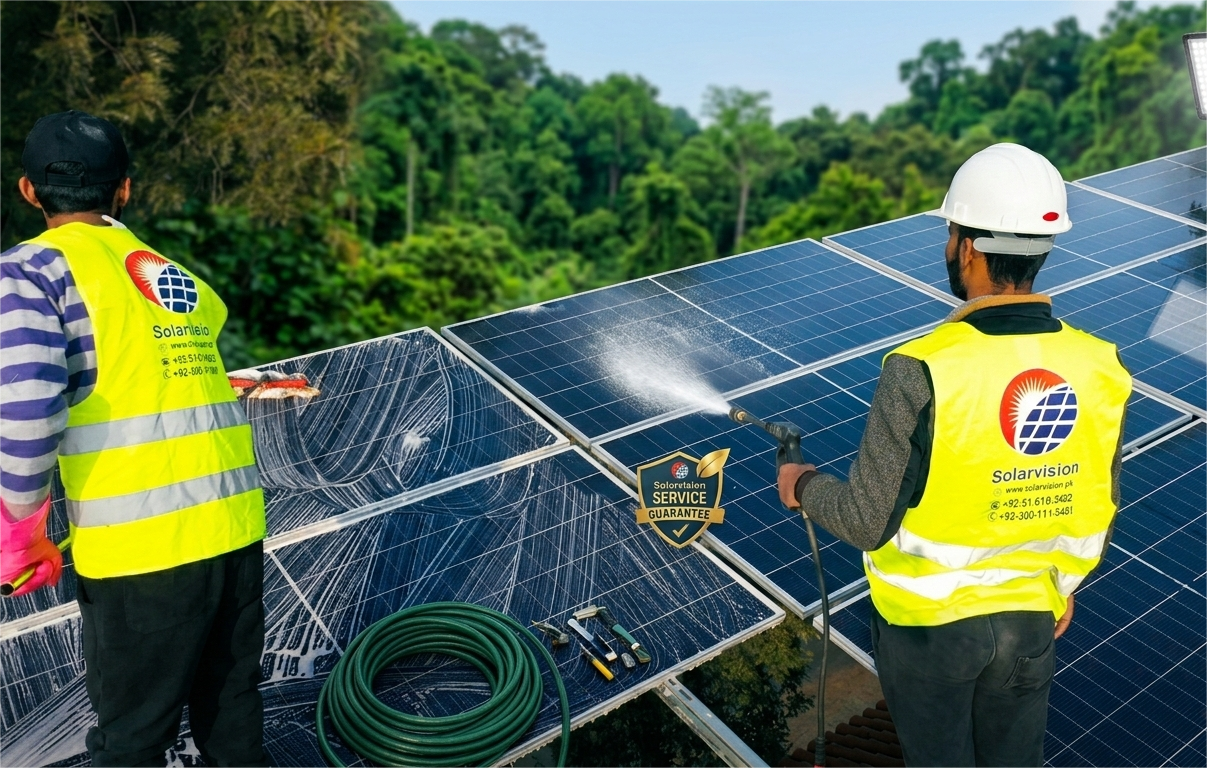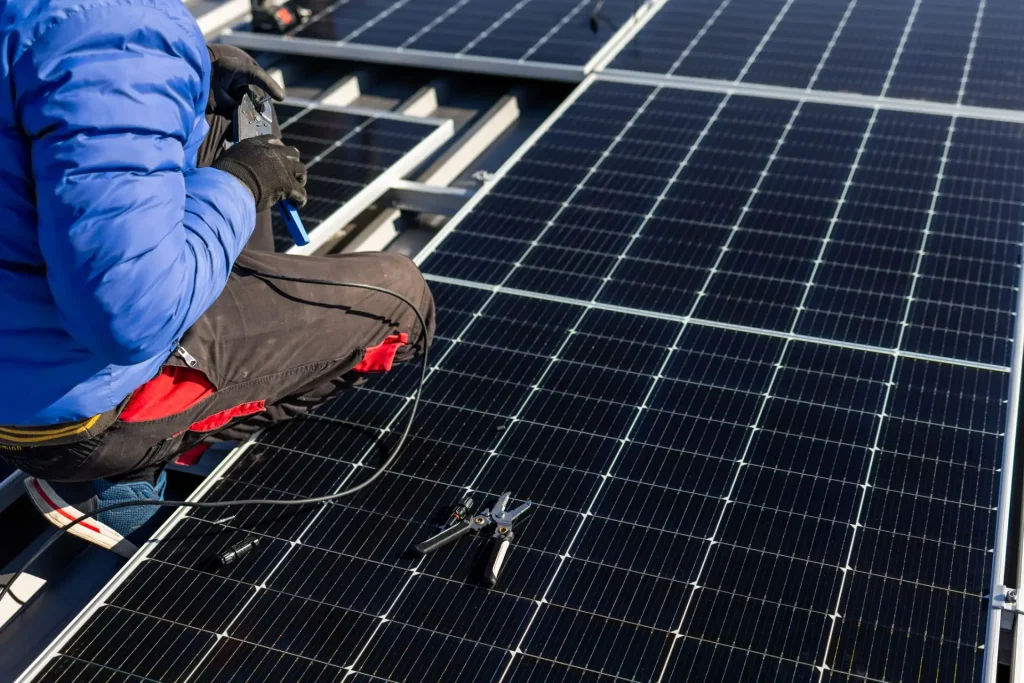
The transition from electric power to solar energy is transforming the way people consume electricity in Pakistan. Solar power not only promotes energy independence but also offers long-term freedom from rising utility bills.
However, the installation of a solar system is a critical stage that requires careful planning. Any mistake made during installation can compromise safety and can reduce system performance. Therefore, understanding the key factors involved in solar system installation is essential for achieving desirable results.
In this guide, we will discuss the most common solar installation mistakes and how you can avoid them to protect your investment.
1. Mistake: Not Calculating Your Energy Consumption Properly
It is crucial for buyers to calculate their average electricity consumption before installing a solar system. This is the foundation of a properly sized system.
How to Do It Right:
- Review electricity bills from the past twelve months—they provide a clear picture of energy usage throughout the year
- Consider seasonal variations: summers in Pakistan mean higher consumption due to ACs and fans
- Install a smart meter to help track real-time consumption
- Use monitoring applications to analyze usage patterns
Why This Matters:
Accurate assessment ensures that your solar system is capable of meeting your actual energy demands. An undersized system won’t cover your needs, while an oversized system wastes your money.
2. Mistake: Ignoring Roof Condition and Structure
The condition of the roof is equally important, as it plays a vital role in solar installation. Many homeowners in Pakistan ignore this and face problems later.
How to Do It Right:
- Check the roof’s structural strength—can it handle the weight of solar panels?
- Assess the remaining lifespan of your roof
- Typically, a roof lasts between twenty to twenty-five years
- If your roof is older, it may require maintenance soon, which could lead to temporary removal of the solar system later
Pro Tip:
If your roof needs replacement in the next few years, do it before installing solar panels. Otherwise, you’ll pay twice—once for panel removal and reinstallation, and once for roof repairs. Choose best brands for Solar Panels.
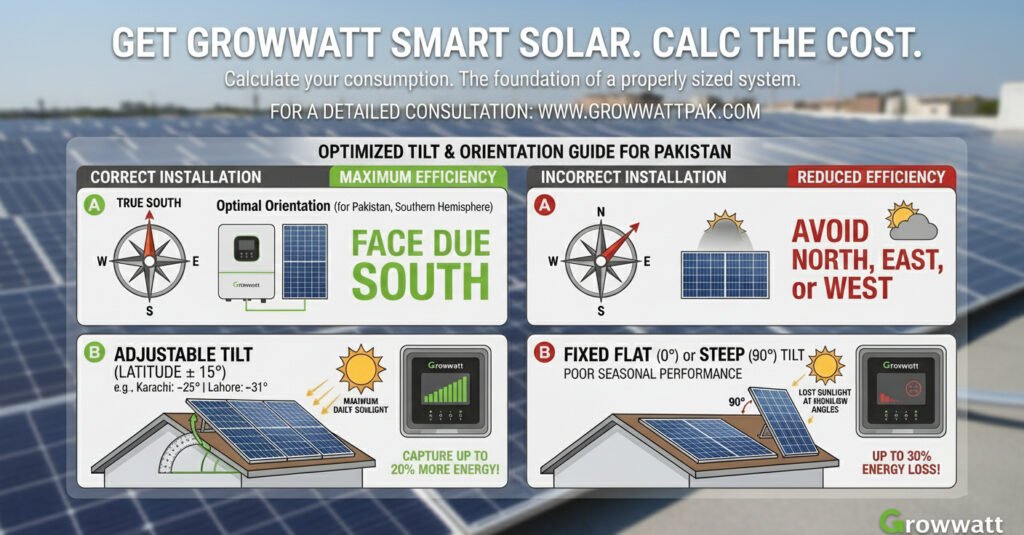
3. Common Solar Installation Mistake: Incorrect Panel Placement and Tilt Angle
The placement of solar panels significantly affects energy production. Tilt angle and orientation impact electricity generation throughout the day and across different weather conditions.
How to Do It Right:
- In Pakistan, the ideal orientation is generally south-facing
- The optimal tilt angle depends on your city’s latitude—typically between 25 to 30 degrees
- Panels should be positioned to receive maximum sunlight, especially during peak hours (9 AM to 3 PM)
- Avoid flat placement—this collects dust and reduces efficiency
Why This Matters:
Proper positioning is essential for maximum output. Even a 10-degree error in tilt can reduce annual energy production by 5-10%.
4. Solar Panel Installation Error: Choosing Incompatible Equipment
Selecting the right equipment is essential for system performance. Inverters and energy storage systems must be fully compatible with each other.
How to Do It Right:
- Ensure your inverter and batteries are from compatible brands and technologies
- Check voltage ratings—they must match perfectly
- Consider future expansion needs—choose equipment that allows scalability
- Buy from reputable suppliers who provide warranty and after-sales service
The Risk:
A mismatch between the inverter and batteries can result in poor efficiency and may even damage the system over time. This is one of the most expensive solar panel installation errors to fix.
5. Avoid Solar Mistake: Ignoring Shading Issues
Site assessment is critical, particularly when it comes to shading. Even a small amount of shadow at any time of the day can significantly reduce solar energy production.
How to Do It Right:
- Thoroughly assess the installation site throughout the day
- Figure out the sun path throughout the year—shadows change with seasons
- Consider nearby trees, buildings, poles, and future construction
- Use professional tools like solar pathfinders or smartphone apps
The Reality
A single shaded cell can reduce the output of an entire panel string by up to 30-40%. In severe cases, it can create hot spots that damage panels permanently.
6. Mistake: Poor Placement of Inverters and Batteries
Inverters and batteries generate heat, and if they are installed in congested spaces, it can cause overheating. This not only affects system efficiency but also shortens equipment lifespan.
How to Do It Right:
- Install components in a spacious, well-ventilated area
- Keep them away from direct sunlight, water, and dust
- Maintain proper clearance around all equipment for air circulation
- In Pakistan’s hot climate, ventilation is even more critical
The Result:
Proper placement can extend equipment life by years and maintain optimal performance even in summer.
7. Mistake: Using Incorrect Wire Sizes and Loose Connections
Incorrect wire sizes and loose electrical connections can create resistance and reduce system efficiency. In worst cases, they can cause fires.
How to Do It Right:
- Use wires with the correct gauge for the current they will carry
- All connections must be tight and secure
- Use quality connectors and junction boxes
- Consider voltage drop over long distances—use thicker wires if needed
Safety First:
All connections must be tight and secure to ensure safety and durability. Loose connections are fire hazards and a leading cause of system failure.follow NEPRA’s electrical safety standards for wiring.
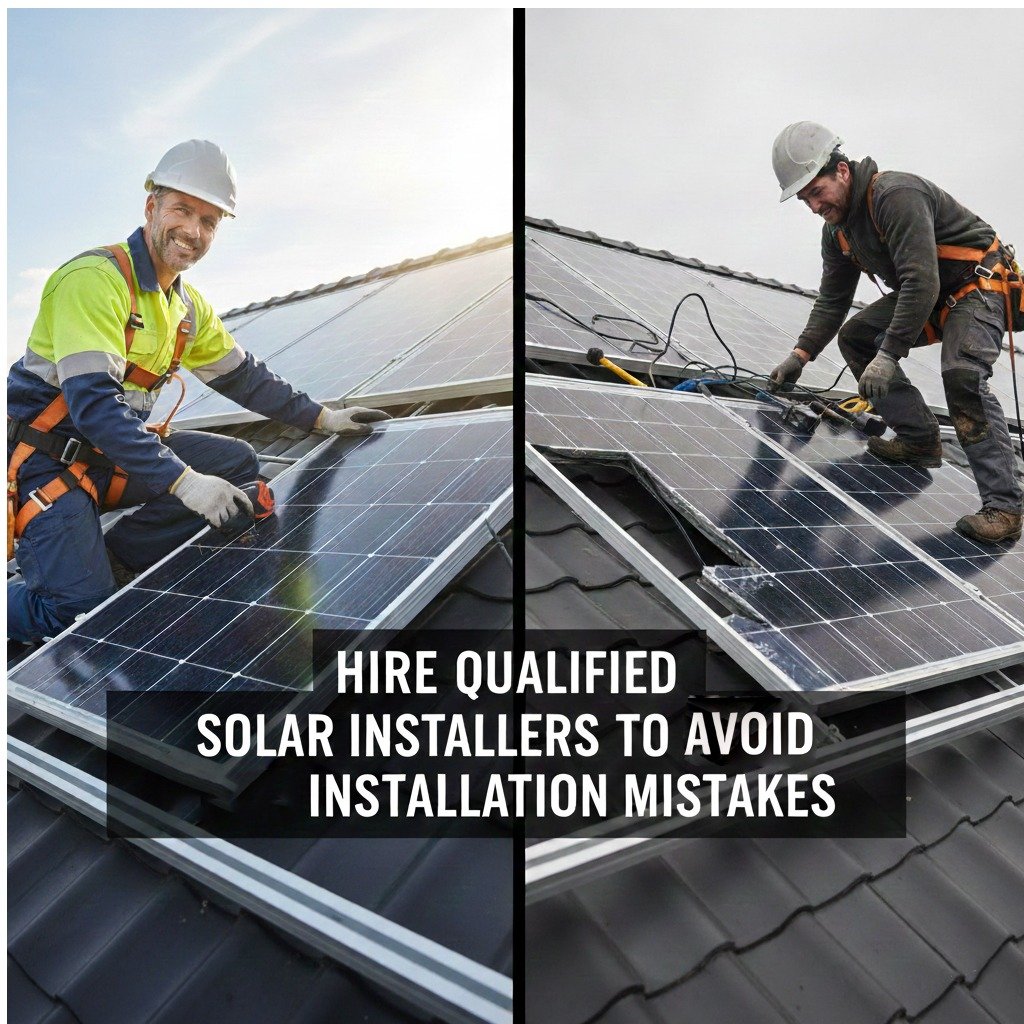
8. Mistake: Not Hiring Qualified Professionals
Many people in Pakistan try to save money by hiring unqualified installers or doing it themselves. This often leads to all the mistakes mentioned above.
How to Do It Right:
- Hire certified and experienced solar installers
- Check their past projects and customer reviews
- Ensure they provide proper warranties on both equipment and workmanship
- Get multiple quotes before deciding
Conclusion: Install It Right the First Time
In conclusion, solar system installation is not just about placing panels on a roof—it is a process that requires careful execution. Every step plays a significant role in system performance and safety.
By considering these factors before installation, users can:
- Maximize energy production
- Avoid costly repairs later
- Ensure safety for their family and property
- Benefit from a reliable and efficient solar power solution for 20-25 years