The transition from electric power to solar energy is transforming the way people
consume electricity. Solar power not only promotes energy independence but
also offers long term freedom from rising utility bills. However, the installation of a
solar system is a critical stage that requires careful planning. Any mistake made
during installation can compromise safety and can reduce system performance.Therefore, understanding the key factors involved in solar system installation is
essential for achieving desirable results.
It is crucial for buyers to calculate their average electricity consumption before
installing a solar system. This can be done by reviewing electricity bills from the
past twelve months, as they provide a clear picture of energy usage throughout
the year. In addition, installing a smart meter can help track real time
consumption, while monitoring applications further assist in analyzing usage
patterns. As a result, accurate assessment ensures that the solar system is
capable of meeting energy demands.
The condition of the roof is equally important, as it plays a vital role in solar
installation. Before installation, the roof’s structural strength and remaining
lifespan must be carefully checked. Typically, a roof lasts between twenty to
twenty five years. If it is older, it may require maintenance, which could lead to
the temporary removal of the solar system later. Moreover, the placement of solar
panels affects energy production. Tilt angle and orientation impact electricity
generation throughout the day and across different weathers, making proper
positioning essential for maximum output.
Furthermore, selecting the right equipment is an essential for system
performance. Inverters and energy storage systems must be fully compatible with
each other. A mismatch between the inverter and batteries can result in poor
efficiency and may even damage the system over time.
In addition, site assessment is critical, particularly when it comes to shading.
Even a small amount of shadow at any time of the day can significantly reduce
solar energy production. For this reason, the installation site should be
thoroughly assessed and the sun path throughout the year should be figured out.
This helps in maximizing energy generation.Moreover, inverters and batteries generate heat and if they are installed in
congested spaces, it can cause overheating. This not only affects system
efficiency but also shortens equipment lifespan. Installing these components in a
spacious, well ventilated area helps maintain optimal performance. Additionally,
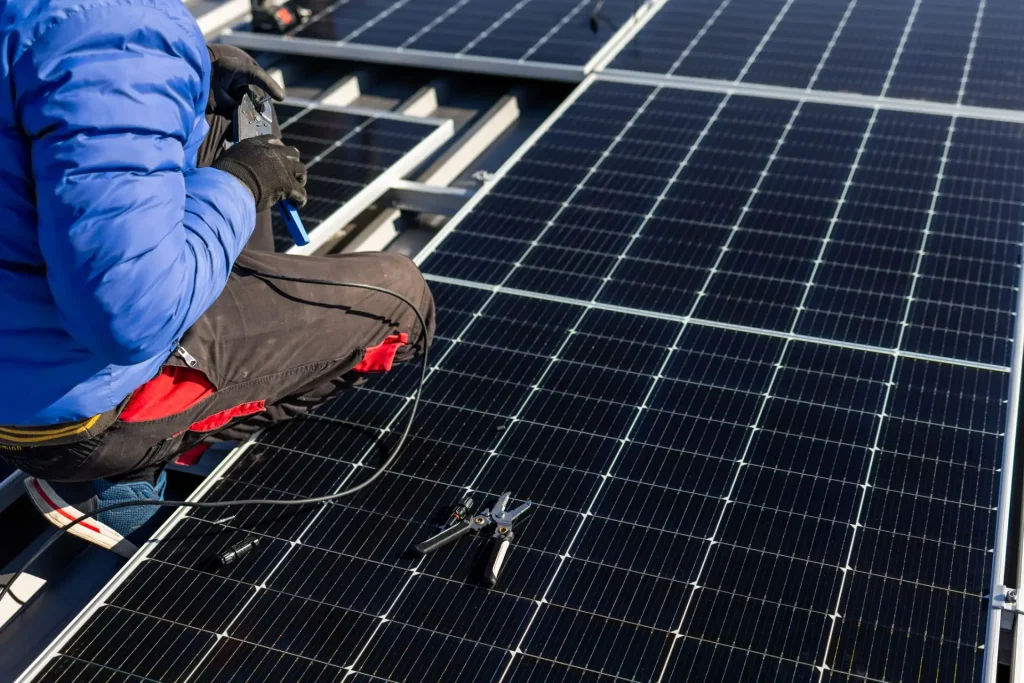
Incorrect wire sizes and loose electrical connections can create resistance and
reduce system efficiency. That’s why, all connections must be tight and secure to
ensure safety and durability.
In conclusion, solar system installation is not about placing panels on a roof, it is
a process that requires careful execution. Every step plays a significant role in
system performance and safety. By considering these factors before installation,
users can maximize energy production and benefit from a reliable and efficient
solar power solution.